- Solutions
- Banking
-
- ACI ConneticUnified cloud payments platform
- AcquiringDigital acceptance, merchant management
- IssuingDigital payments and accounts issuing
- Fraud managementReal-time enterprise fraud management
- RTGS / Wires and cross-borderMulti-bank, multi-currency processing
- Real-time, instant paymentsComplete real-time payments processing
- ATMsSelf-service, omnichannel digital experience
- Central infrastructureInnovative real-time payment infrastructure
- NEW Redefining the payments hub: Solving today’s banking payment challenges
-
- Merchant payments
- ACI Payments Orchestration PlatformEnable customer journeys across commerce channels, accept payments, prevent fraud and optimize your payments journey
- In-storeDynamic, modern in-store payments
- eCommerceOnline and mobile payments
- Alternative payment methodsGive more ways to pay
- Value-added servicesEngagement, optimization and reporting
- Fraud managementEnd-to-end fraud orchestration
- Risk, security, and complianceAchieve and maintain compliance
- NEW Datos names ACI Worldwide best-in-class in payments orchestration
- Industries we serve
- Billing and bill payments
- ACI SpeedpayDrive customer satisfaction with the widest range of bill pay options in the industry.
- Bill payment APIs and SDKsOutsource bill payment processing
- Fraud managementAI-based fraud orchestration technology
- Alternative payment methodsGive more ways to pay
- Loan servicingPreferred loan payment options
- Treasury managementStreamline and integrate your back office
- Automated debt collectionImprove your collections process
- Digital walletsManage digital cards and payments
- PCI compliance and securityAchieve and maintain PCI compliance
- Industries We Serve
- Fraud management and payments intelligence
- Fraud managementFraud solutions to minimize risk and prevent fraud
- Fraud management for bankingEnterprise-wide fraud prevention
- Anti-money launderingStay ahead of money-laundering schemes
- Robotic process automationAutomate payment processing operations
- Fraud management in the cloudProtecting your business in the cloud
- Fraud management for merchantsProtect payments from end to end
- ChargebacksPrevent chargebacks before they happen
- SCA complianceAchieve and maintain SCA compliance
- Digital identity solutionsConfirm identities with behavioral analytics
- NEW Scamscope fraud report: APP scam trends from around the globe
Company CustomersPartners
Home












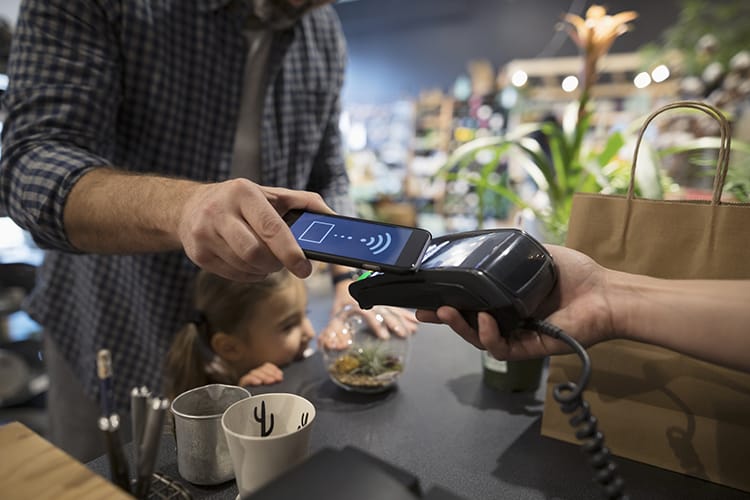

The future of payments: Unlocking the power of payments orchestration
50 Years of ACI Worldwide: Shaping the Future of Payments
Why self-serve payment channels are a must-have for modern lenders and billers
Tackling friendly fraud with AI precision
Faster Payments: What can the US and Europe expect?
NACHA PAYMENTS 2018 is only a week away, and as we eagerly await the conference, we took a moment to sit down with George Evers, senior vice president at VocaLink, a Mastercard company, and an ACI partner, to discuss real-time payments and what the U.S. and EU markets can learn from the UK’s maturing Faster Payments Service (FPS), which launched 10 years ago in May.
Speed and Data: The Real Value in Real-Time Payments
Speed and Data. These are the foundational elements to create real value in real-time payments.
Why it’s Never Too Late for Women to Join STEM Professions
With ACI’s fourth Coding for Girls Camp coming up on April 21st, ACI’s Sampy Gajre, senior recruiter and an eternal advocate for women in tech professions, talked to us about the challenges and opportunities for women in STEM (science, technology, engineering, mathematics) professions. She shared with us what organizations and communities can do to help encourage more women to join the field, and why it’s never too late to follow your passion.
The Next Stage of Real-Time Payments Evolution is Here
Fragmentation resulting from multiple Pan-European Immediate Payments schemes is a challenge, but solutions exist
Four Reasons Why You Must Future Proof Your Technology
What does future proofing your technology mean? In my view, it means preparing your bank to deliver the best customer experience possible - today and tomorrow. Research from Greenwich Associates indicates that the customer experience and ease of doing business are key drivers of loyalty. Extracting value from your technology investments so you can provide a superior customer experience is not only important because of the impact on service, but also on loyalty. I want to focus on four reasons why future proofing your technology is important. These insights are a sneak preview into some of the findings from our upcoming whitepaper produced with Ovum, the annual Global Payment Insight Series.
Fraud Awareness Month Canada – Return of the Lost and Stolen (and Authenticating Wearables in Canada)
A couple years ago, I penned a blog post to commend the Canadians on what made their culture so resilient to fraud that it developed the lowest fraud rates in the Northern Hemisphere. It got a bit of circulation and created significant positive feedback. This time, I would like to bring awareness back to Canada about a potential threat as it relates to the increasingly popular Tap payment channel.
Increasing Collections & Satisfaction: Real-Time Payments for Loan Servicing
The old adage that “cash is king” is precisely that: old. In today’s world, convenience is king and real-time payments deliver it in spades. Consider that convenient ways to pay can reduce late payments by up to 76%, while reducing call center volumes by up to 83%, and it’s no wonder lenders are expanding their offerings over time to include checks, ACH, debit cards and now real-time payments.
GDPR: Modern Wealth It Is In Your Digital DNA
Hands up if you don’t really know what GDPR is… don’t worry, you’re not alone in fact, 6 in 10 people have never heard of it. And why should the average consumer know about the General Data Protection Regulation (GDPR)? The regulation itself, which will become enforceable in May 2018, is designed to stop businesses using our data without our knowledge or consent. And that consent means complete transparency on how our data is being used.
Fintech Frenzy and Fun: Money20/20 Asia
I’m in vibrant Singapore for day one of the inaugural Money20/20 Asia... or is this day two? I’ve lost all concept of time this week (and didn’t realize how close Singapore is to the equator… it’s like wicked hawt outside!) And I’m joined once again by my ever-intrepid Rantings colleague to rant about what’s happening in this fun-filled world of payments.
A Master Class in Convenience: Faster Payments for Higher Education
Paying for college can be a real pain, and the act of paying tuition itself has not kept up to speed with the times. According to Aite Group, 40% of tuition payments are made by ACH (electronic check), making it the most popular method of payment for higher education. Yet, these payments can sometimes take several days to process. In a world where college students send and receive over 120 text messages per day, immediacy is key. Especially when large dollar amounts are being spent. Students and parents demand that payment options conform to their expectations of speed, to prevent their accounts from being overdrawn.
The Hidden Cost of Digital Payments for Retail Payment Players
It is not exactly breaking news that non-cash payments are on the rise globally, with column inches dedicated to the launch of digital financial-inclusion projects. But going cashless is not only a challenge for humanitarian endeavors, or developing countries. We all agree that removing cash from the system will save payments players big bucks in the future, but we must also consider the immediate impact of digital transformation on the legacy infrastructure of the powerhouses of the payments ecosystem.
A Prescription for Profitability: Real-Time Payments Come to Healthcare
When it comes to important numbers in the healthcare sector, you’re probably familiar with 120/80 (that’s ideal blood pressure for the non-medically inclined), but I’d like to introduce you to two more numbers: 15 and 47. 15 is the percentage of healthcare spending due to billing and payment inefficiencies, while 47 is the percentage of patients who would leave a hospital for a better payment experience1.